Apr 24, 2026


Contact us today to discuss your requirements and discover how we can add value to your business.
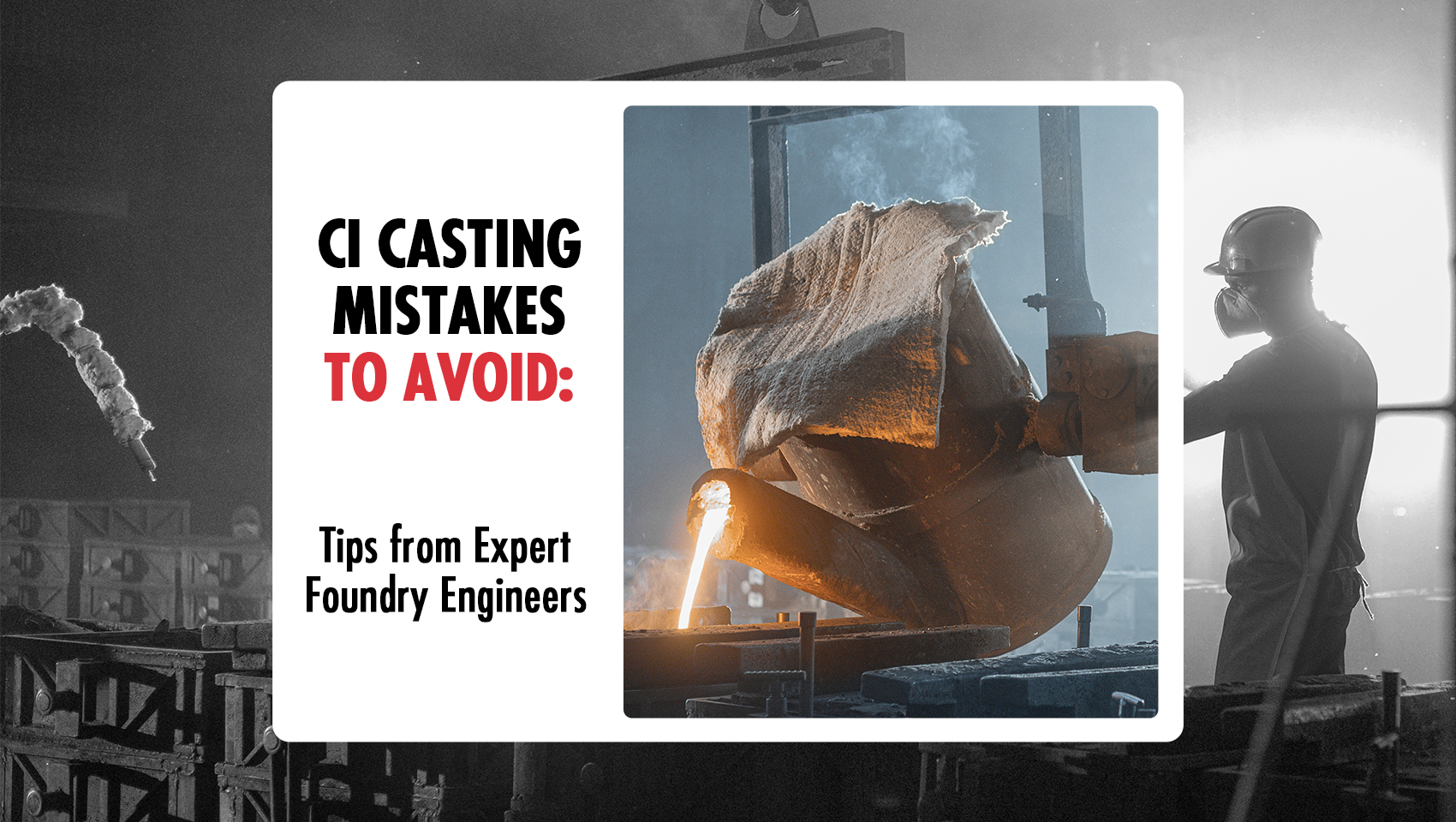
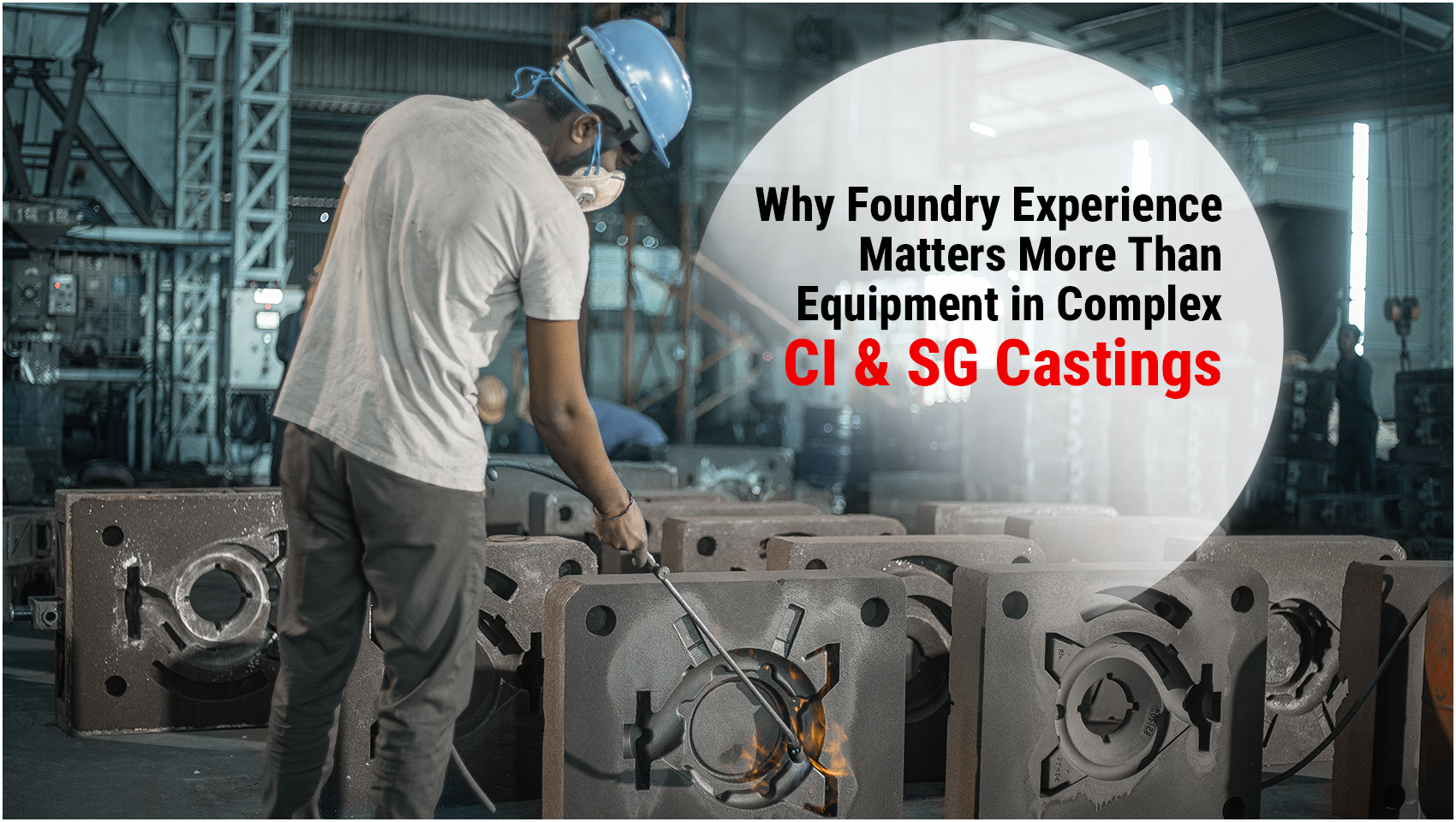
The article gives expert foundry engineers their best advice to help readers avoid common CI casting errors. The manufacturing process of cast iron (CI) casting enables businesses to produce strong industrial parts through an efficient and low cost method. The industry uses CI castings to create various products which include automotive parts and agricultural machinery and pipelines and heavy equipment. The process of achieving consistent quality in CI casting requires deliberate efforts because automatic results will not happen. Process deviations lead to defects which result in rework and work stoppages and higher expenses.
At Sagar Foundry, decades of hands-on experience have shown that most casting failures are preventable. By understanding common mistakes and applying proven engineering practices, manufacturers can significantly improve casting quality, dimensional accuracy, and service life. This article highlights the most frequent CI casting mistakes and practical tips from expert foundry engineers on how to avoid them.
One of the most common mistakes in CI casting is improper control of chemical composition. Carbon, silicon, manganese, sulphur, and phosphorus all play a crucial role in determining strength, hardness, machinability, and wear resistance.
What goes wrong:
Expert tip:
Always use controlled charge materials and conduct regular spectrometer analysis before pouring. At Sagar Foundry, melt chemistry is verified at every critical stage to ensure consistency and compliance with customer specifications.
Molding sand directly affects surface finish, dimensional accuracy, and defect formation. Many casting defects originate not from metal but from poor sand control.
What goes wrong:
Expert tip:
Maintain strict control over sand properties such as moisture content, permeability, compactability, and grain fineness. Regular sand testing and reclamation help maintain uniform mold quality across production batches.
Incorrect gating and riser systems are a major cause of shrinkage, cold shuts, and misruns in CI castings.
What goes wrong:
Expert tip:
Design gating systems that ensure smooth, directional metal flow and effective feeding. Simulation based design and empirical foundry knowledge are essential. At Sagar Foundry, gating and riser designs are optimized for each component geometry rather than using generic layouts.
Pouring temperature has a direct impact on fluidity, microstructure, and defect formation.
What goes wrong:
Expert tip:
Control pouring temperature based on section thickness, mold material, and casting complexity. Consistent temperature monitoring ensures uniform solidification and reduced rejection rates.
Inoculation plays a vital role in controlling graphite structure and preventing carbide formation in CI castings.
What goes wrong:
Expert tip:
Use the correct inoculant type and additional timing. Inoculation should be carefully matched to base iron chemistry and pouring conditions to achieve optimal graphite flake structure and mechanical properties.
Even well designed molds can fail if handling practices are careless.
What goes wrong:
Expert tip:
Train personnel in careful mold and core handling. Proper storage, alignment checks, and inspection before pouring significantly reduce rejections caused by human error.
Many foundries rely too heavily on operator experience without documented procedures.
What goes wrong:
Expert tip:
Standardize critical processes such as melting, molding, pouring, and cooling. At Sagar Foundry, clearly defined work instructions and quality checkpoints ensure repeatability across every production run.
Cooling is just as important as pouring. Rushing this stage can compromise casting integrity.
What goes wrong:
Expert tip:
Allow adequate cooling time based on casting mass and geometry. Controlled cooling ensures stable microstructure and minimizes residual stresses.
Assuming quality without verification is a costly mistake.
What goes wrong:
Expert tip:
Implement thorough inspection procedures, including visual checks, dimensional inspection, and mechanical testing where required. Preventive quality control is always cheaper than corrective action.
CI casting is not a “set and forget” process.
What goes wrong:
Expert tip:
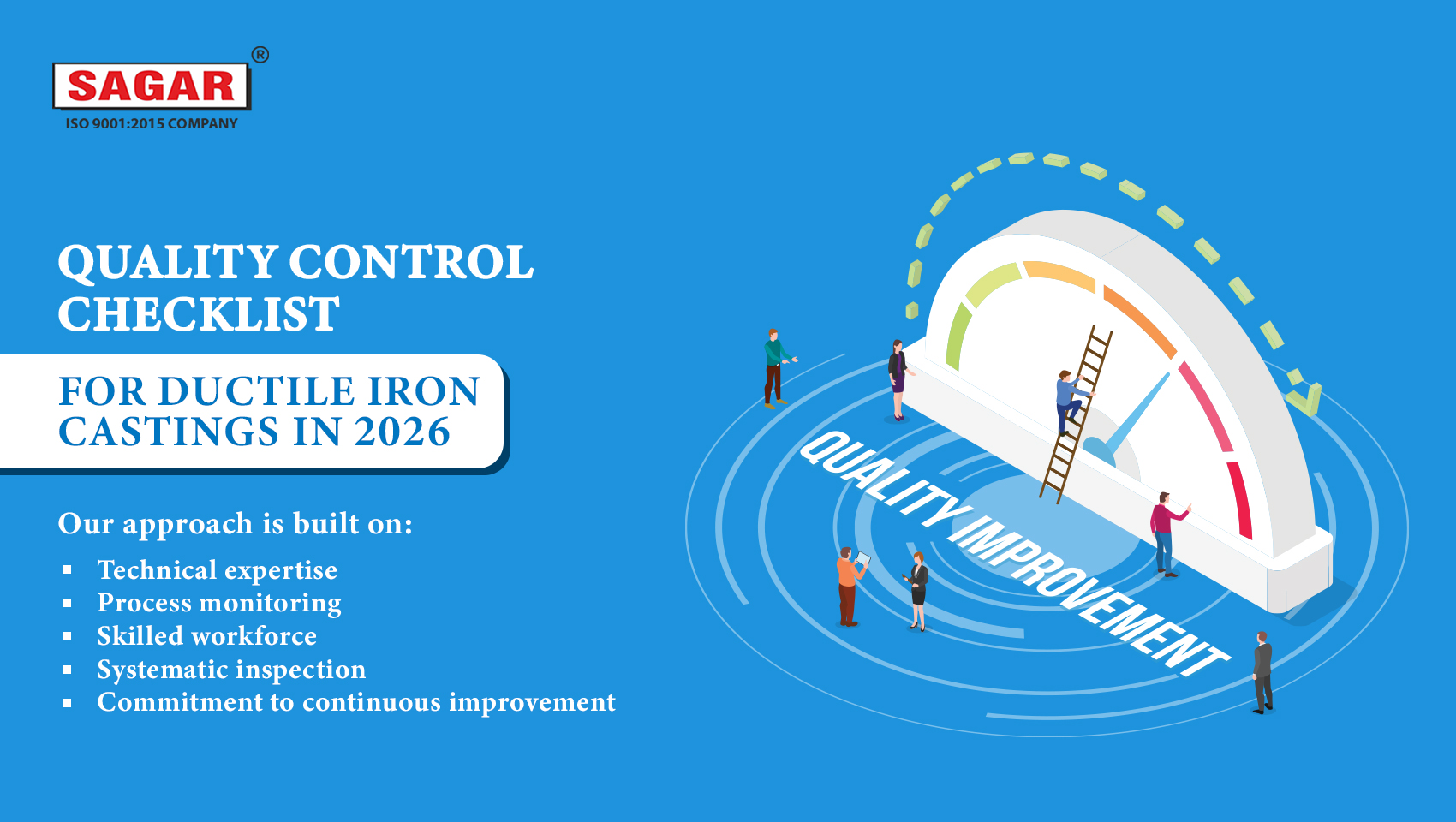
Analyze rejection data, encourage operator feedback, and continuously refine processes. At Sagar Foundry, continuous improvement is embedded in daily operations to deliver reliable, high performance CI castings.
CI casting quality depends on attention to detail at every stage from raw material selection to final inspection. Most casting defects are not random; they are the result of avoidable process mistakes. By focusing on chemical control, sand quality, gating design, temperature management, and standardized procedures, foundries can achieve consistent, defect free castings.
At Sagar Foundry, expert engineering knowledge combined with disciplined process control ensures that every CI casting meets high standards of durability, precision, and performance. Avoiding these common mistakes is not just about reducing rejections; it’s about building long term trust, reliability, and manufacturing excellence.